Dr Insaaf's Weigh-Less Journey
Insaaf was always fit and healthy, and it was not until her hectic lifestyle led to her swapping out regular exercise for unhealthy food choices that she saw the change. This led to excessive weight gain which adversely affected her relationship with her husband, leaving her feeling unconfident and unhappy. However, the change to a proactive lifestyle and a healthy eating programme — Weigh-Less — not only caused her to lose weight but to also find happiness again.

.jpg)
Knowing Your Numbers
The difference between 1 and 2 can be the difference between illness and health.
You have made the brave decision to embark on the challenging journey to better health and wellness by pursuing healthy eating habits and a more active lifestyle. The scale gives you an indication of your dropping numbers at every weigh-in, but do you know the other numbers that may have a very real and significant effect on your life, health, wellness and your family's future?
Weigh-Less now encourages you to pay further attention to your health by knowing your numbers and your associated risk of developing conditions that may be avoided with lifestyle changes or medical attention. Test your blood sugar (glucose), cholesterol and blood pressure levels to equip yourself with the knowledge required to get your health under control — and win your battle, not only with the scale, but also with disease and ill health. These numbers will show a trend rather than an absolute number as you move from dangerous, to nearly normal, to normal numbers.
Why Should I Get My Numbers Checked?
Health screening helps you find out if you have a particular disease or condition even if you do not exhibit any symptoms or signs of disease. Early detection, followed by treatment and good control of the condition, can result in better outcomes and lowers the risk of serious complications. It's important to get yourself screened even if you feel perfectly healthy.
It's recommended that you screen blood glucose, cholesterol and blood pressure levels as early as age 20 — particularly if you're at risk of lifestyle diseases, overweight or obese, have a family history of disease, have had previous abnormal readings, or are a smoker. People within the normal range should be re-screened every five years until age 35; thereafter, screening should be done more routinely (every 1 to 2 years).
How Can My Numbers Be Monitored?
Any doctor, clinic sister or nurse can perform these tests — in fact, they should be part of most routine check-ups. Most pharmacies and health care centres can measure these numbers at a minimal charge.
How Often Do I Need To Check My Numbers?
Anyone whose numbers are above the recommended range should monitor change every six months. Even if your numbers are in the recommended range, it's still important to monitor them every six months, as increased age is a very high risk factor. Based on your individual risk profile, your medical practitioner will advise you on how often these tests should take place.
It's also important to monitor change when following a healthy eating plan, as even modest weight loss (5-10%) can have a significant effect on your numbers. Seeing these health improvements can become a crucial reminder as to why it's essential to follow a long-term healthy lifestyle. Your individual circumstances will dictate how often you should get tested, so speak to your doctor, pharmacist or clinic sister.
Are You At Risk? And How Do You Know?
Thankfully, there is a system of "numbers" we can use to tell us how we compare to a healthy state. By knowing your numbers, you can take action in making positive lifestyle changes that will help prevent and manage chronic health conditions that contribute to heart disease, diabetes and strokes.
Are Your Numbers High?
If your numbers are out of the recommended zones, refer to this tip to lower them before your health takes a nose-dive:
Exercise — Weigh-Less acknowledges the importance of regular physical activity practiced alongside our scientifically-designed Eating Plan. 30 minutes of moderate to vigorous exercise every day will assist in lowering your numbers and risk profile. Find an exercise that you enjoy — this will ensure you don't get bored or despondent and give up.
What Can I Do To Improve My Numbers?
Although you do inherit some risk of these diseases from your family, the lifestyle we lead particularly increases our risk of chronic diseases — specifically linked to smoking, inactivity and poor food choices.
Did you know: Blood Pressure, Blood Sugar, and Cholesterol are known as the silent killers. Don't live in the dark — get your numbers tested today!
Read more about your health indicators below:
Know Your Numbers
Blood Pressure, Blood Sugar, and Cholesterol are known as the silent killers. Don't live in the dark — get your numbers tested today! Determine whether the results of your tests fall within the ideal range, moderate risk, or high risk categories.
Blood Cholesterol
Cholesterol is a type of fat found within the blood. The body makes cholesterol to supply the cell's needs, as cholesterol plays an important role in the functioning of the cell membrane; we also ingest cholesterol from the food we eat. Elevated levels of cholesterol will build up in your arteries — this is referred to as the hardening of the arteries. High cholesterol reduces the amount of blood, and therefore oxygen, transported to all of our body tissues, including the heart. It's usually a slow process that gets worse over years of unhealthy eating, and can lead to serious medical issues, including heart attacks and strokes.
The facts
- The symptoms of high cholesterol are often only noticed after having caused a substantial amount of damage to your arteries.
- Early preventative treatment and measures can limit the extent of damage.
- A quick finger prick test (performed at your local clinic or pharmacy) will give an overall cholesterol number.
- If this number is elevated, you will need to see your doctor.
It is recommended that your cholesterol levels are tested:
- Every six months: if you already have high cholesterol levels.
- At least once a year: if you have a family history of high cholesterol, or are at risk of it.
- Once every three years: if you have a low risk of high cholesterol.
Did you know?
Weight loss, healthy eating and regular exercise can prevent, reverse and manage high cholesterol levels in most people.
Symbols to look for
Members with high cholesterol should mainly choose foods marked with the following symbols in the Food Choice Booklet:
 Heart Symbol
 Low Fat Symbol
 Mono-unsaturated Fat Symbol
 Omega-3 Symbol
Blood Pressure
Blood pressure refers to the pressure of the blood against the arteries. If this pressure becomes too high, or too low, it may lead to serious health consequences. High blood pressure (hypertension) may be aggravated by factors including smoking, obesity, physical inactivity, kidney disease, genetics, adrenal and thyroid complications, stress and old age — the heart has to strain to pump blood around the body. Low blood pressure (hypotension) may also negatively affect your health, since oxygen-carrying blood will not be transported around the body as it should. Causes of low blood pressure have been linked to pregnancy, thyroid problems, dehydration, blood loss, allergic reactions, infection, or a lack of nutrients in the diet.
Did you know?
Even a small weight loss can make a big difference to your blood pressure — a 10% weight loss can reduce blood pressure by 20%! Members with high blood pressure must avoid foods marked with the "Salt" Symbol in the Food Choice Booklet.
Blood Sugar (Glucose)
A blood glucose test measures the amount of glucose (sugar) in our blood. Carbohydrate foods are broken down by our bodies into glucose, which travels throughout the body in our blood. When blood glucose levels rise, especially just after eating, the pancreas secretes insulin. Insulin instructs cell walls to "open up", allowing glucose to move from the blood into the cells to be used as a source of energy.
Over time, our bodies may become desensitised to the effects of insulin, or insufficient insulin may be produced to effectively manage blood sugar levels. This causes abnormally high levels of glucose within the blood (hyperglycaemia), which may lead to diabetes and severe medical complications such as damage to the eyes, nerves, blood vessels and kidneys. Glucose levels can also get too low (hypoglycaemia) — this generally happens to people with diabetes as a result of their medication, or when they haven't eaten.
The facts
- It is estimated that 3.5 million South Africans (6% of the population) have diabetes, and a further 5 million are pre-diabetic.
- Many diabetics remain undiagnosed and therefore untreated.
Fasting blood sugar levels above 5.5mmol/L may be an indication of glucose intolerance or even diabetes, and needs to be discussed with your doctor. Blood sugar can be tested by a simple finger prick test done at your local clinic, pharmacy or doctor's room. Following the healthy eating guidelines in Weigh-Less will help maintain your blood glucose levels and keep them within an ideal range.
Did you know?
The Weigh-Less Eating Plan is specifically designed to keep blood sugar levels under control, as it follows low GI and GL principles. This is true for all Members, including insulin resistant and type 2 diabetic Members.
Symbols to look for
Members with high blood sugar levels must mainly choose foods marked with the following symbols in the Food Choice Booklet:
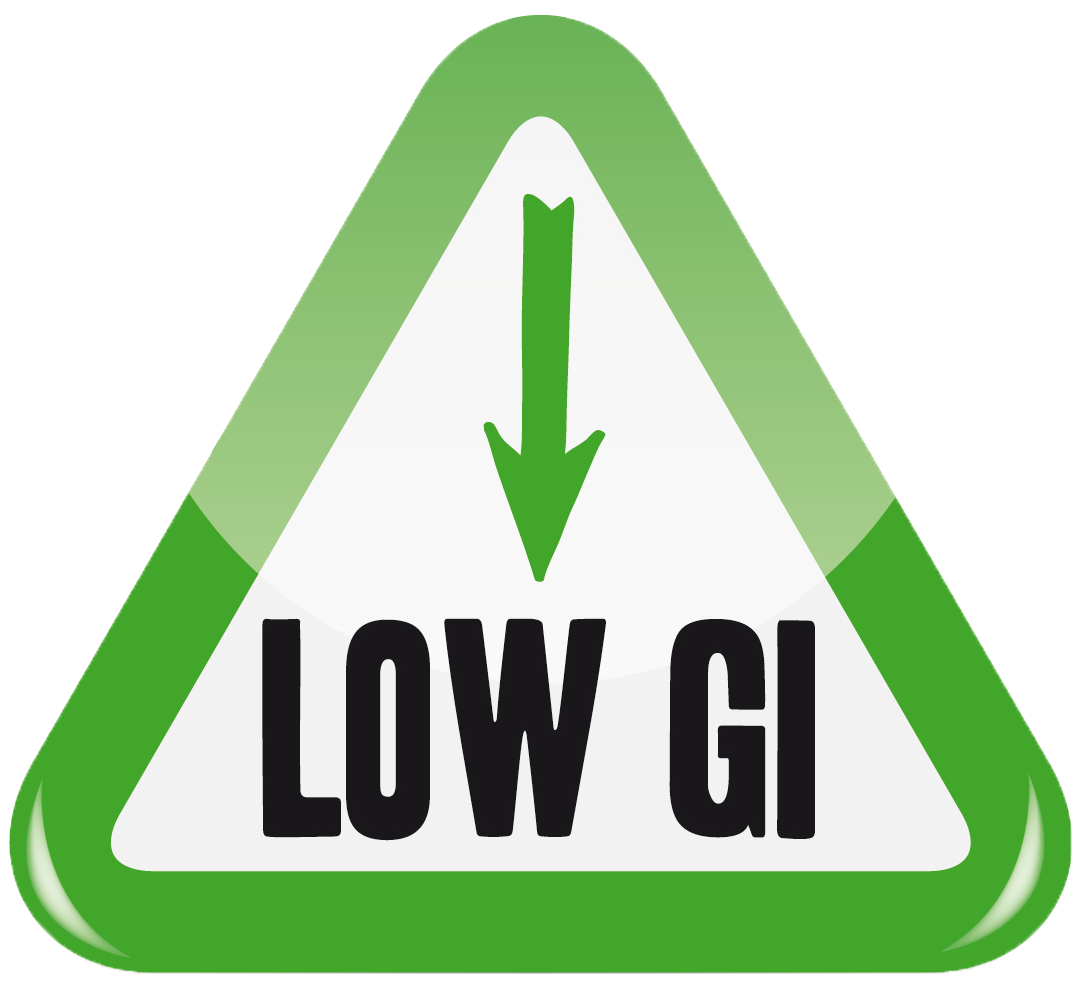 Low GI symbol
Mono-unsaturated Fat Symbol
Omega-3 Symbol
Low GI symbol
Mono-unsaturated Fat Symbol
Omega-3 Symbol
 Fibre Symbol
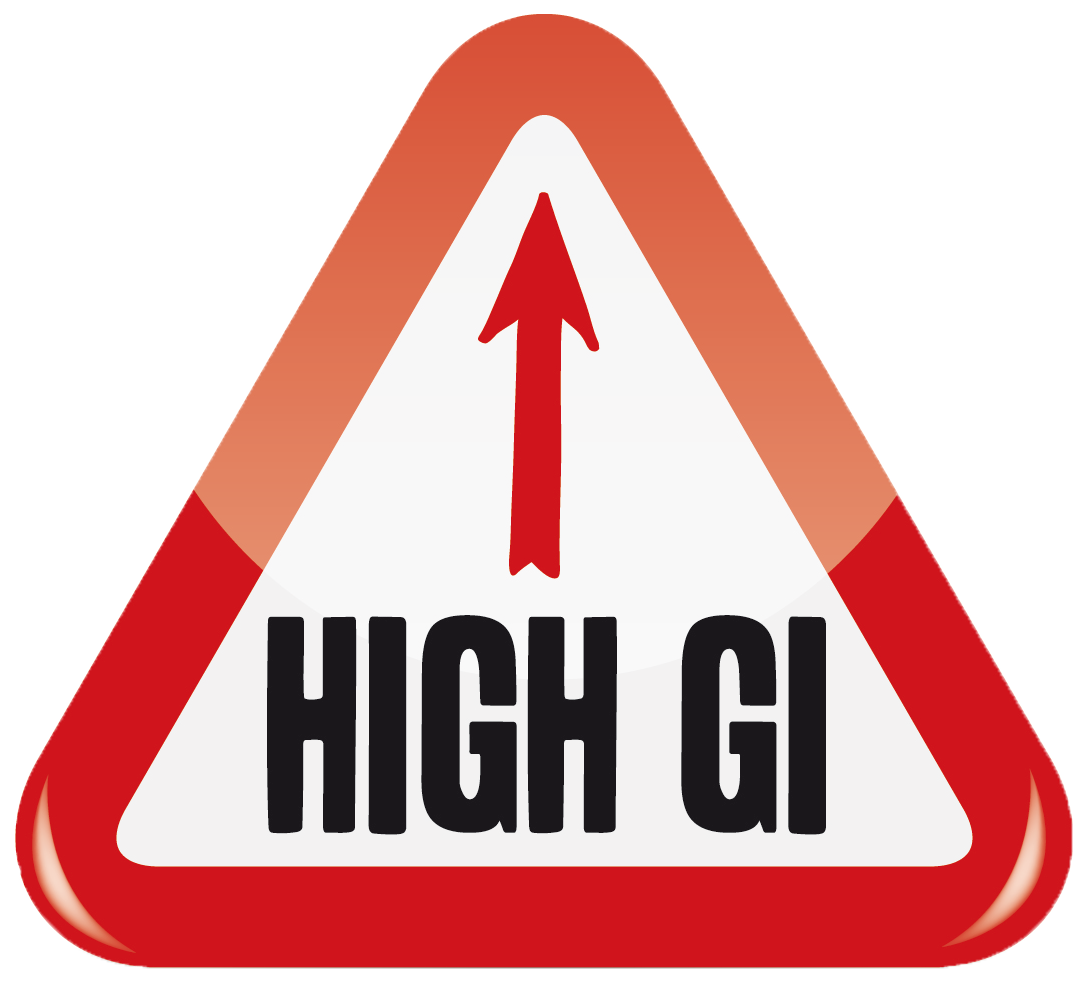 Avoid food with the high GI Symbol
If you are insulin resistant, have a family history of diabetes or high blood pressure, and you are overweight, it is vital that you know your blood sugar (glucose) levels, and have them tested at least twice a year. Take this chart to your health care professional, who will be able to plot your numbers to give you an indication of your risk profile.